

Burkina Faso’s Treaty-Making Process: Constitutional Foundations and International Commitments
This article examines Burkina Faso’s treaty-making process, detailing its constitutional framework, the roles of the President and National Assembly, and its monist approach to incorporating treaties into domestic law. It also highlights Burkina Faso’s commitment to the Vienna Convention on the Law of Treaties (1969) and implications for international relations.
Navigating International Agreements: How Bosnia and Herzegovina Engages in Treaties Under Its Constitution and Existing Conventions

This article explores how Bosnia and Herzegovina (BiH) navigates international agreements under its unique constitutional framework, established by the Dayton Peace Agreement. It examines BiH’s treaty-making process, its monist-dualist approach to international law, incorporation of treaties, and adherence to customary principles of the Vienna Convention on the Law of Treaties.
Botswana’s Treaty-Making Process: Constitutional Foundations and International Commitments
This article examines Botswana’s treaty-making process, rooted in its constitutional framework and dualist legal tradition inherited from British colonial rule. It highlights the roles of the executive and legislative branches, Botswana’s non-party status to the Vienna Convention on the Law of Treaties, and its adherence to customary international law.
Brazil’s Treaty-Making Process: Constitutional Framework and International Commitments

This article examines Brazil’s treaty-making process within its 1988 Constitutional framework, detailing the roles of the Executive and Legislative branches in negotiation, approval, and promulgation. It highlights Brazil’s dualist approach with monist elements for human rights treaties and its adherence to the Vienna Convention on the Law of Treaties since 2009.
Bhutan’s Treaty-Making Process: Balancing Constitutional Mandates and International Commitments

This article examines Bhutan’s treaty-making process, highlighting the balance between constitutional mandates and international commitments. It explores the legal framework under Bhutan’s 2008 Constitution, the dualist approach to integrating treaties into national law, and implications of not joining the Vienna Convention on the Law of Treaties (VCLT) 1969.
Bolivia’s Treaty-Making Process: Constitutional Foundations and International Commitments
This article explores Bolivia’s treaty-making process, rooted in its 2009 Constitution, highlighting the balance between executive and legislative roles. It examines Bolivia’s hybrid monist-dualist approach to international law, prioritization of human rights treaties, adherence to the Vienna Convention, and implications for international partners.
Benin’s Treaty-Making Process: Constitutional Framework and International Commitments
This article explores Benin’s treaty-making process, rooted in its 1990 Constitution, which balances executive, legislative, and judicial powers. It highlights Benin’s predominantly monist approach to incorporating international law, its adherence to the Vienna Convention on the Law of Treaties, and implications for international cooperation.
Bermuda’s Treaty-Making Process: Navigating Constitutional Framework and Existing International Agreements

This article examines Bermuda’s treaty-making process as a British Overseas Territory, highlighting its constitutional framework under the Bermuda Constitution Order 1968. With limited autonomy, treaty-making is overseen by the UK through the Governor, often requiring domestic legislation for implementation due to Bermuda’s dualist legal approach.
Belgium’s Treaty-Making Process: Constitutional Framework and International Commitments

This article explores Belgium’s unique treaty-making process within its federal constitutional framework, emphasizing the division of powers between federal and regional entities. It examines Belgium’s predominantly monist approach to international law, its adherence to the Vienna Convention on the Law of Treaties, and the broader implications for international diplomacy.
Belize’s Treaty-Making Process: Constitutional Framework and International Commitments
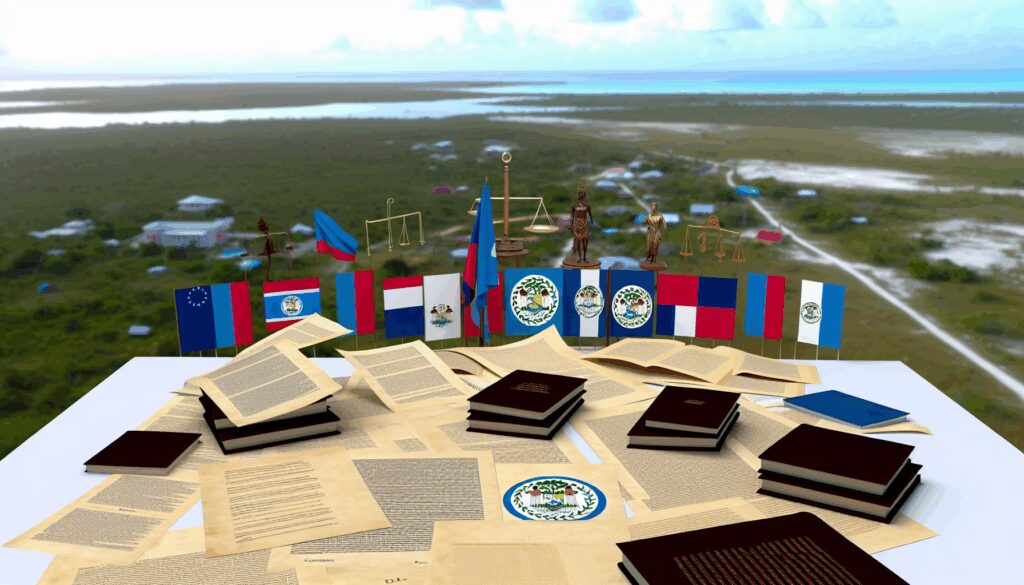
This article examines Belize’s treaty-making process, highlighting its constitutional framework, dualist legal system, and non-party status to the Vienna Convention on the Law of Treaties (1969). It explores how executive and legislative roles balance sovereignty with international commitments, offering insights for states engaging with Belize.

