

Countering Terrorist Funding: Challenges in Implementing the International Convention for the Suppression of the Financing of Terrorism
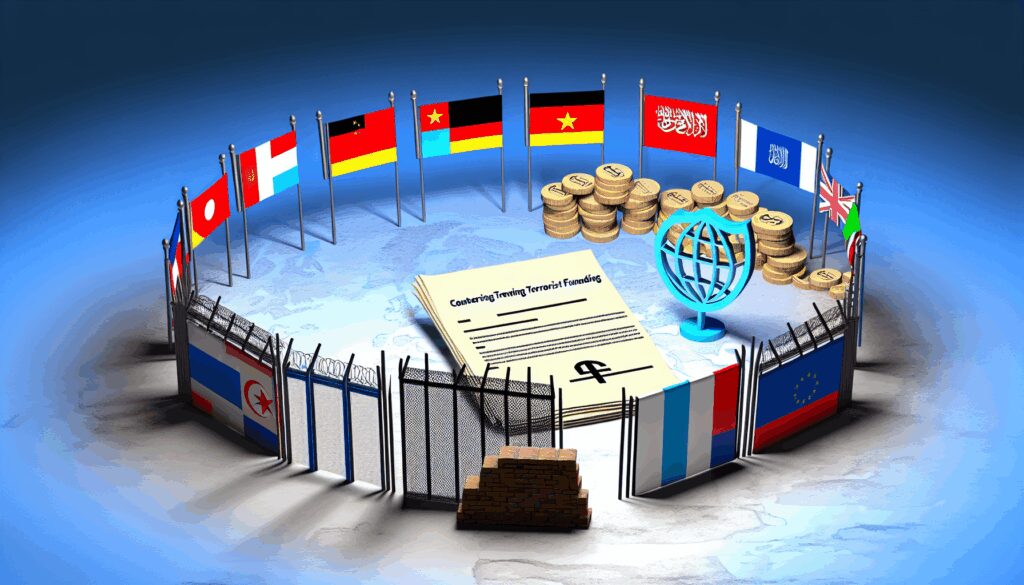
The financing of terrorism poses a significant global security threat, relying on financial networks for operations. The 1999 International Convention for the Suppression of the Financing of Terrorism (ICSFT), ratified by 188 states, aims to criminalize and disrupt these funds. However, implementation faces legal, institutional, and political challenges worldwide.
Protecting Biodiversity: The Impact of CITES on Endangered Species Trade

This article examines the Convention on International Trade in Endangered Species (CITES), established in 1975 to regulate trade in endangered species and protect biodiversity. It highlights CITES’ impact on reducing illegal trade, conservation successes, legal frameworks for treaty incorporation, and challenges like black markets and enforcement disparities.
Empowering Inclusion: The Impact of the Convention on the Rights of Persons with Disabilities on Global Accessibility Standards

The United Nations Convention on the Rights of Persons with Disabilities (CRPD), adopted in 2006, revolutionized global accessibility standards by redefining disability through a human rights lens. It has driven legislative reforms, harmonized policies, and shifted societal attitudes toward inclusion, though implementation challenges persist across diverse economic and cultural contexts.
Empowering Inclusion: The Impact of the Convention on the Rights of Persons with Disabilities on Accessible Education

The United Nations Convention on the Rights of Persons with Disabilities (CRPD), adopted in 2006, is a landmark treaty promoting equality for persons with disabilities. It emphasizes accessible education through inclusive systems and accommodations. This article explores CRPD’s impact on national policies and legal frameworks in a hypothetical country.
Empowering Inclusion: How the Convention on the Rights of Persons with Disabilities Advances Accessibility Worldwide

The Convention on the Rights of Persons with Disabilities (CRPD), adopted in 2006, is a groundbreaking treaty promoting the rights and dignity of persons with disabilities. It mandates accessibility reforms across physical, digital, and social domains, influencing global policies through legal frameworks and inspiring national initiatives for inclusion.
The Paris Agreement: Challenges in Achieving Global Carbon Emission Goals

The Paris Agreement, adopted in 2015, aims to limit global temperature rise to below 2°C, targeting 1.5°C, through Nationally Determined Contributions (NDCs). Despite its landmark status, challenges like inconsistent national commitments, economic disparities, and lack of enforcement hinder achieving global carbon emission goals.
Combating Global Threats: The Role of the International Convention for the Suppression of the Financing of Terrorism in Preventing Terrorist Funding

This article explores the International Convention for the Suppression of the Financing of Terrorism (ICSFT), adopted in 1999, as a critical tool in disrupting terrorist funding. It examines the treaty’s provisions, legal mechanisms for accession, monist and dualist implementation approaches, and its alignment with the Vienna Convention on the Law of Treaties.
Paris Agreement: Assessing the Global Commitment to Carbon Emission Reductions

The Paris Agreement, adopted in 2015, is a landmark treaty under the UNFCCC, uniting 196 parties to combat climate change by limiting global warming to below 2°C, ideally 1.5°C. It introduces Nationally Determined Contributions (NDCs) for tailored emission reductions, though challenges remain in achieving sufficient global impact.
Combating Oceanic Exploitation: How the Port State Measures Agreement Targets Illegal Fishing
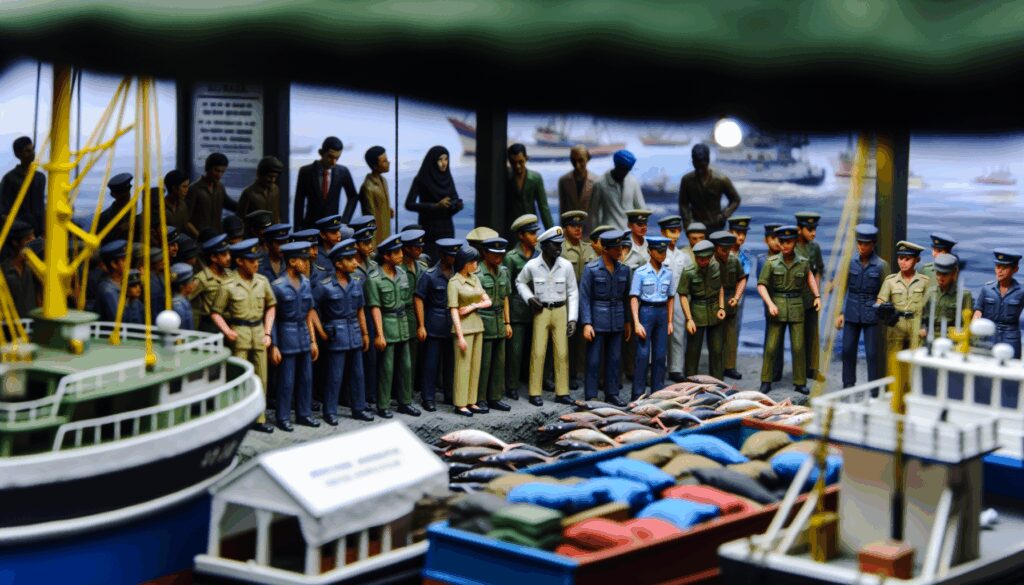
The Agreement on Port State Measures (PSMA), adopted in 2009 under the FAO, is a pivotal international treaty combating Illegal, Unreported, and Unregulated (IUU) fishing. It empowers port states to deny access to vessels engaged in IUU activities, disrupting their operations and protecting marine ecosystems.
Addressing Child Labor: Challenges in Implementing the Convention on the Rights of the Child

Child labor remains a global crisis, affecting millions and violating children’s rights, despite the United Nations Convention on the Rights of the Child (CRC). This article examines the challenges of implementing the CRC through monist and dualist legal systems, cultural norms, and economic constraints, using a hypothetical country as a case study.

