

Navigating Security: Enhancing Maritime Safety Through the 2005 SUA Protocol
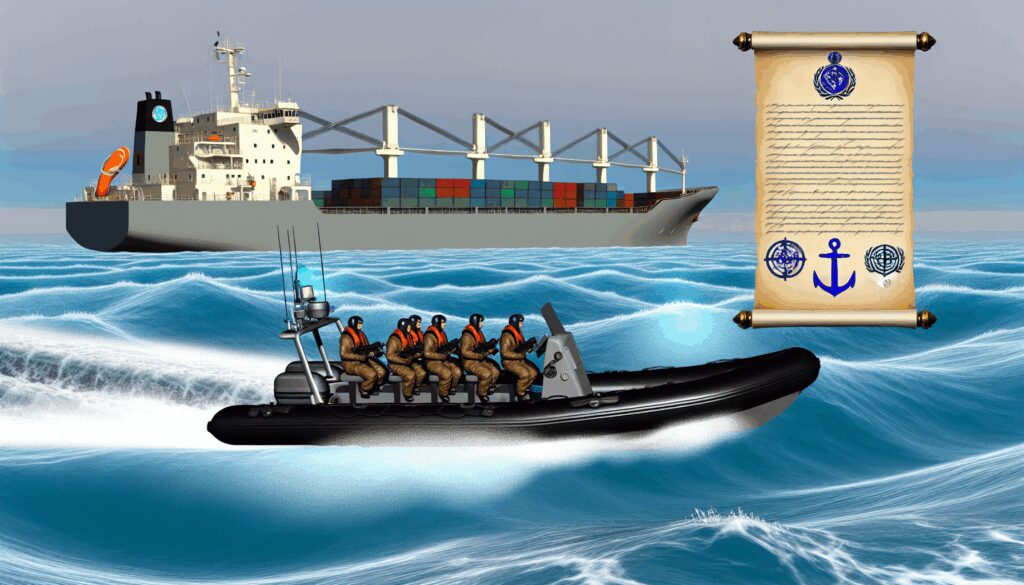
The 2005 SUA Protocol enhances maritime security by updating the 1988 SUA Convention to address modern threats like terrorism and weapons of mass destruction. This article explores its legal implications, treaty incorporation in a hypothetical country, and its alignment with international law, emphasizing global cooperation for safer maritime navigation.
Enhancing Global Drug Control: The Impact of the 1972 Protocol Amending the Single Convention on Narcotic Drugs, 1961
This article examines the 1972 Protocol’s impact on global drug control, amending the 1961 Single Convention. It highlights enhanced roles for the International Narcotics Control Board, improved monitoring, and a focus on treatment. The Protocol’s legal implications and relation to the Vienna Convention on Treaties are also explored.
Unveiling Hidden Tragedies: The Impact of the International Convention on Combating Enforced Disappearances
This article examines the International Convention for the Protection of All Persons from Enforced Disappearance (ICPPED), adopted in 2006, as a key framework to combat enforced disappearances. It analyzes the treaty’s legal provisions, global impact, compliance challenges, and alignment with the Vienna Convention on the Law of Treaties (1969).
Breaking Barriers: Advancing Gender Equality through the Convention on the Elimination of All Forms of Discrimination against Women

This article examines the Convention on the Elimination of All Forms of Discrimination against Women (CEDAW), a pivotal 1979 UN treaty aimed at eradicating systemic gender discrimination. It explores CEDAW’s provisions, legal mechanisms for treaty engagement, implementation challenges, and its relationship with the Vienna Convention on the Law of Treaties.
Addressing Statelessness: Challenges in Implementing the 1961 Convention on the Reduction of Statelessness
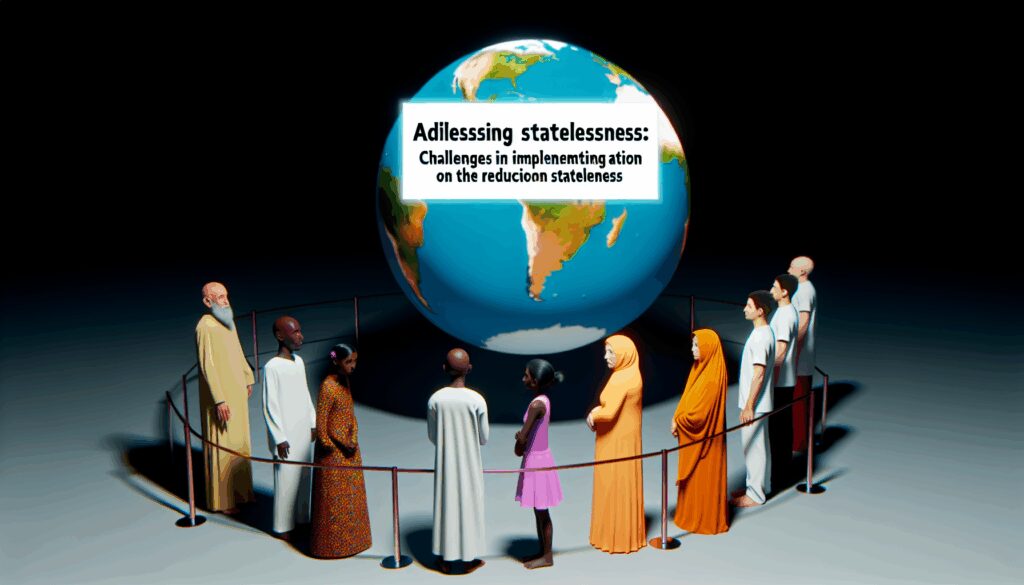
This article examines the global issue of statelessness, affecting millions without nationality or basic rights. It focuses on the 1961 Convention on the Reduction of Statelessness, analyzing its key provisions and implementation challenges, including legal, political, and administrative barriers. A hypothetical case study and treaty relationships are also explored.
Ensuring Accessibility: The Impact of the Convention on the Rights of Persons with Disabilities on Global Inclusion Policies

This article explores the transformative impact of the United Nations Convention on the Rights of Persons with Disabilities (CRPD) on global inclusion policies, emphasizing accessibility as a core human right. It examines the CRPD’s legal framework, treaty adoption processes in an unspecified country, and its relationship with the Vienna Convention on the Law of Treaties.
Empowering Inclusion: How the Convention on the Rights of Persons with Disabilities Advances Accessibility in Public Spaces
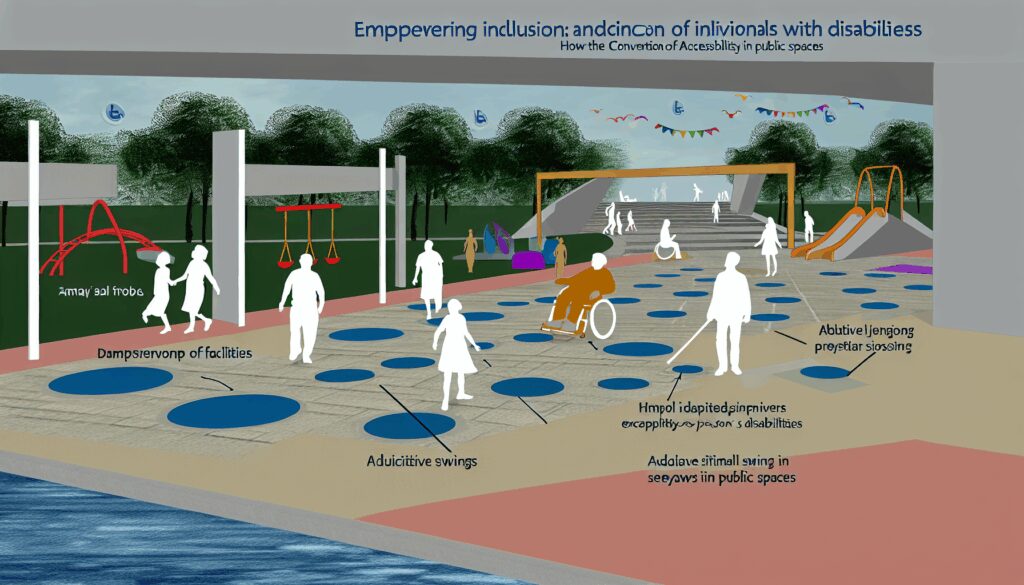
This article examines the transformative impact of the Convention on the Rights of Persons with Disabilities (CRPD), adopted in 2006, on improving accessibility in public spaces globally. It discusses CRPD provisions, implementation variations across nations, and legal frameworks for treaty adoption, using a hypothetical country, Exemplaria, as a case study.
Enhancing Global Rail Asset Financing: Exploring the Impact of the Rail Protocol on International Trade

The Rail Protocol, adopted in 2007 under the Cape Town Convention, establishes a legal framework for securing international interests in railway rolling stock. By reducing financial risks and harmonizing laws, it fosters cross-border rail asset financing, supporting global trade, economic growth, and sustainable transport systems.
Combating Oceanic Crime: How the Port State Measures Agreement Targets Illegal Fishing
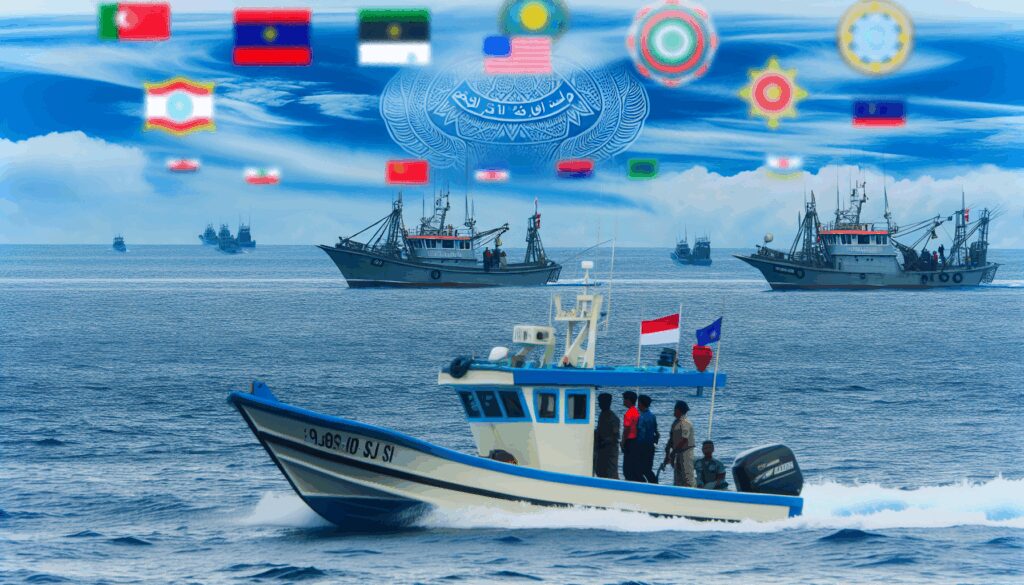
Illegal, unreported, and unregulated (IUU) fishing poses a severe threat to marine ecosystems and global livelihoods, with 11-26 million tons caught illegally yearly. The Port State Measures Agreement (PSMA), a 2009 treaty, combats this by empowering port states to block illegally caught fish, disrupting IUU fishing economically.
Countering Terrorist Funding: Challenges in Implementing the International Convention for the Suppression of the Financing of Terrorism

This article explores the International Convention for the Suppression of the Financing of Terrorism (ICSFT), adopted in 1999, highlighting its role in criminalizing terrorist financing and promoting global cooperation. It examines legal, institutional, and political challenges in implementation, alongside treaty incorporation approaches and the ICSFT’s relation to the Vienna Convention on the Law of Treaties.

