

Cyprus and International Agreements: Navigating Treaties under Constitutional and Conventional Frameworks
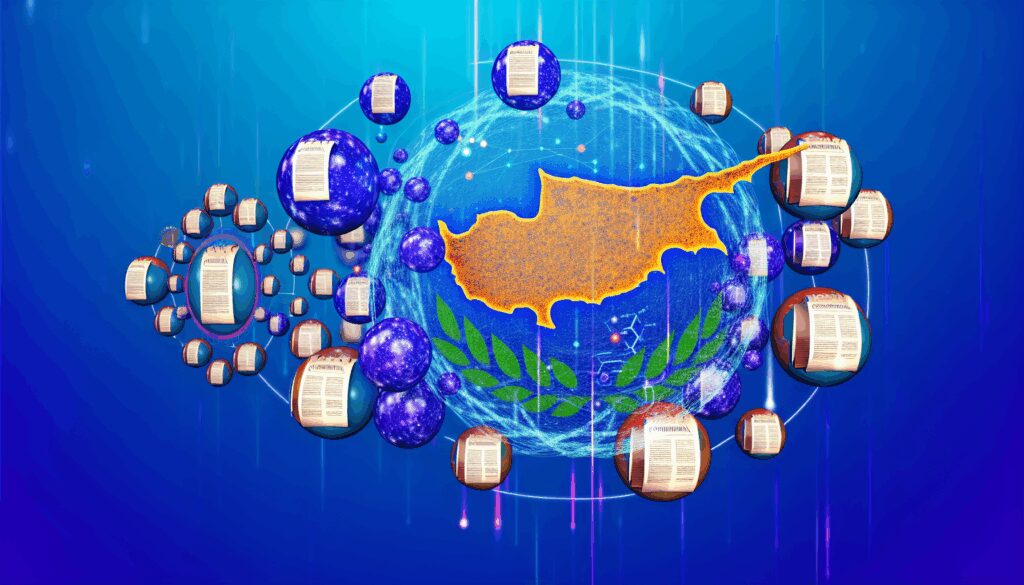
This article explores Cyprus’s engagement with international treaties, focusing on its constitutional framework, predominantly dualist approach to integrating international law, and adherence to the Vienna Convention on the Law of Treaties (1969). It highlights the balance between executive and legislative roles in treaty-making and the practical implications for international cooperation.
Czech Republic’s Treaty-Making Process: Constitutional Framework and International Commitments

This article examines the Czech Republic’s treaty-making process, rooted in its 1993 Constitution. It highlights the constitutional framework, parliamentary oversight, and monist approach to integrating treaties into national law. The country’s adherence to the Vienna Convention on the Law of Treaties ensures alignment with international norms.
Navigating International Commitments: How the Democratic Republic of the Congo Engages in Treaties Under Its Constitution and Existing Conventions

This article examines the Democratic Republic of the Congo’s (DRC) engagement with international treaties under its 2006 Constitution. It explores the DRC’s treaty-making process, its monist-leaning approach to international law, and its non-party status to the Vienna Convention on the Law of Treaties (1969), highlighting challenges and opportunities in treaty implementation.
Costa Rica’s Treaty-Making Process: Constitutional Framework and International Commitments
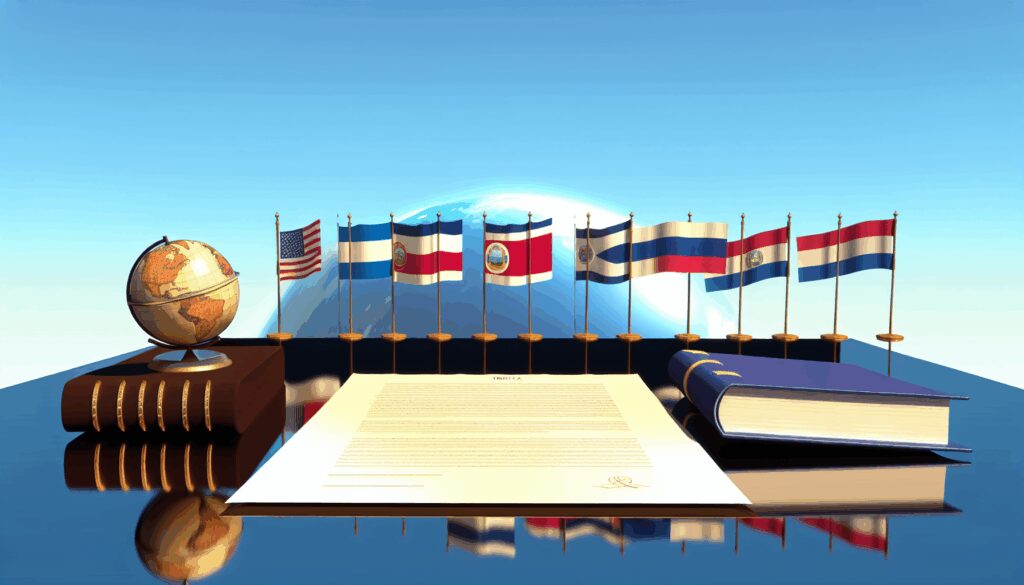
This article examines Costa Rica’s treaty-making process within its constitutional framework and international commitments. It analyzes the legal mechanisms for treaty approval, the monist approach to integrating treaties into domestic law, and Costa Rica’s adherence to the Vienna Convention on the Law of Treaties (1969).
Côte d’Ivoire’s Treaty-Making Process: Constitutional Framework and International Commitments
This article examines Côte d’Ivoire’s treaty-making process within its constitutional framework, highlighting the roles of the President, National Assembly, and Constitutional Council. It explores the country’s monist approach to integrating treaties into national law and its non-party status to the Vienna Convention on the Law of Treaties.
Croatia’s Treaty-Making Process: Constitutional Framework and International Obligations
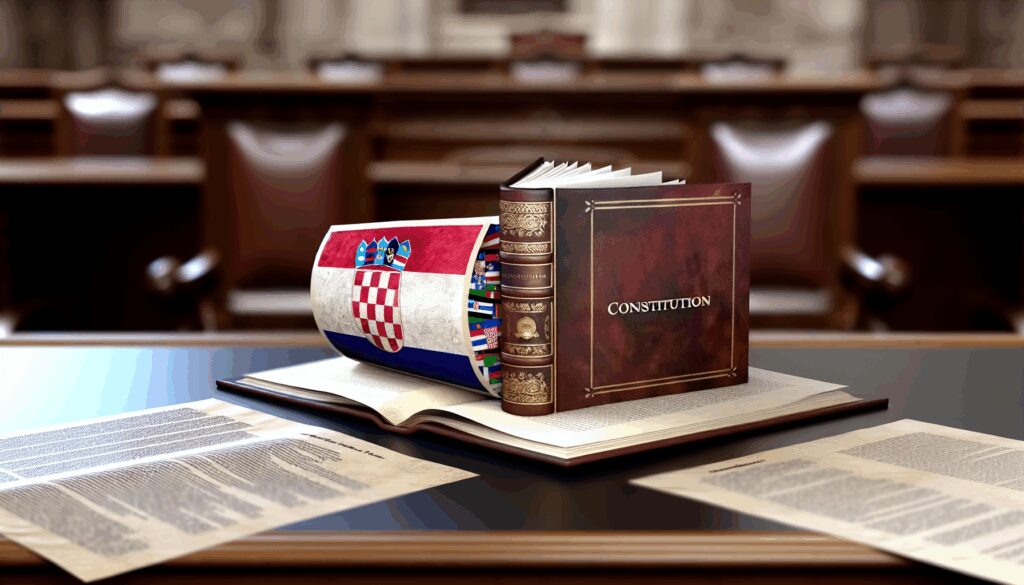
This article analyzes Croatia’s treaty-making process within its constitutional framework and international obligations. It explores legal mechanisms for entering treaties, Croatia’s monist approach to international law, and its adherence to the Vienna Convention on the Law of Treaties. The study offers insights for policymakers and scholars in international law.
Comoros and International Agreements: Navigating Treaties Under Constitutional Guidelines and Existing Conventions
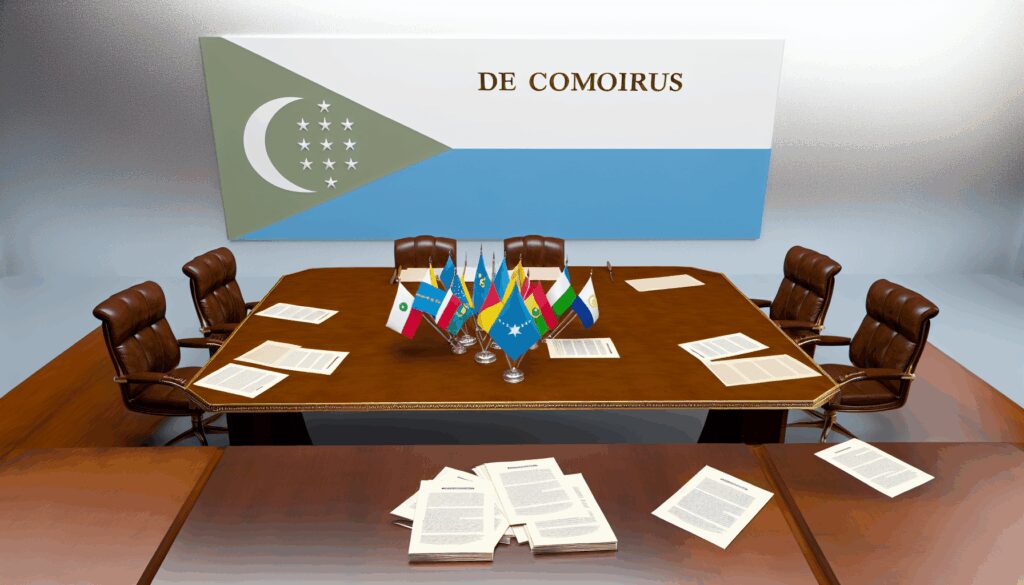
This article examines how the Union of Comoros manages international agreements within its constitutional framework and global conventions. It explores treaty-making under the 2018 Constitution, Comoros’ dualist approach to international law, its non-ratification of the Vienna Convention on the Law of Treaties (1969), and implications for international cooperation.
Navigating International Agreements: How the Cayman Islands Engages in Treaty-Making Under Its Constitution and Existing Conventions

The Cayman Islands, a British Overseas Territory, operates under a unique constitutional framework for treaty-making, overseen by the UK government. This article explores its dualist approach to incorporating international treaties into domestic law, engagement with the Vienna Convention, and implications for international partners seeking agreements.
Navigating International Commitments: How the Central African Republic Engages in Treaties Under Its Constitution and Existing Conventions

This article examines the Central African Republic’s (CAR) engagement in international treaties, focusing on its constitutional framework, treaty-making processes, and monist-dualist legal approach. It highlights CAR’s non-party status to the Vienna Convention on the Law of Treaties and the challenges and opportunities in its international commitments.
Chad’s Treaty-Making Process: Navigating Constitutional Frameworks and International Commitments
This article explores Chad’s treaty-making process, highlighting its constitutional framework under the 2018 Constitution. It examines the roles of the President and National Assembly in treaty negotiation and ratification, Chad’s hybrid monist-dualist approach to integrating international law, and its non-party status to the Vienna Convention on the Law of Treaties.

