

Preserving the Past Beneath the Waves: Safeguarding Underwater Cultural Heritage Under the 2001 Convention

This article examines the 2001 UNESCO Convention on the Protection of Underwater Cultural Heritage, a key framework for safeguarding submerged historical artifacts like shipwrecks. It discusses legal principles, state obligations, treaty incorporation challenges, and the Convention’s relationship with the 1969 Vienna Convention on the Law of Treaties.
Dominica’s Treaty-Making Process: Constitutional Framework and International Obligations
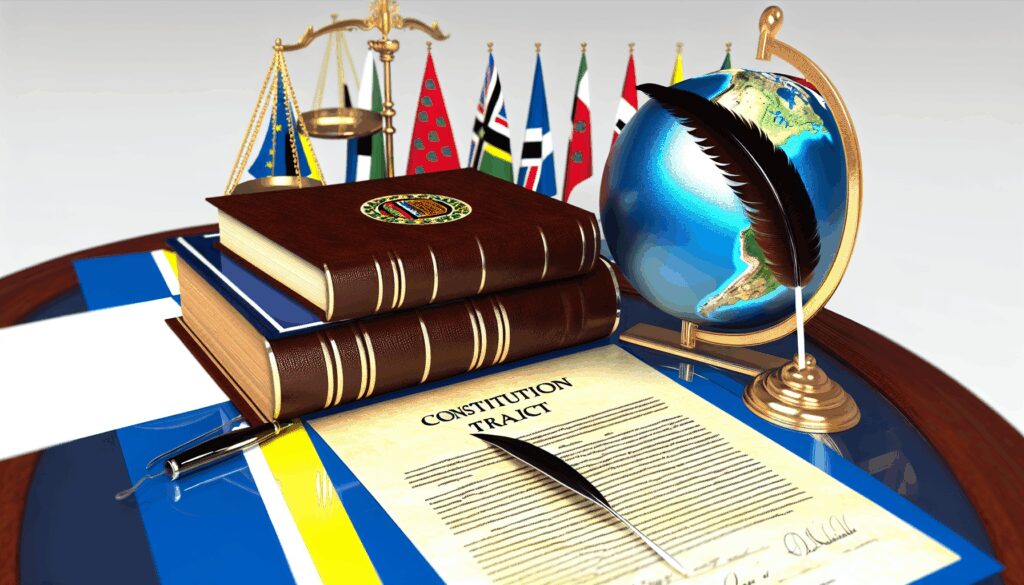
This article examines Dominica’s treaty-making process, rooted in British common law and its 1978 Constitution. It explores the executive’s role in negotiations, the dualist approach requiring parliamentary approval for treaty domestication, and Dominica’s non-party status to the Vienna Convention on the Law of Treaties (1969).
The Paris Agreement: Challenges in Achieving Global Climate Goals
The Paris Agreement, adopted in 2015 at COP21, aims to limit global temperature rise to below 2°C, ideally 1.5°C, through international cooperation on climate change mitigation, adaptation, and finance. Despite near-universal acceptance by 195 UNFCCC members, it faces challenges like inconsistent national commitments and weak enforcement.
Djibouti’s Treaty-Making Process: Constitutional Framework and International Commitments
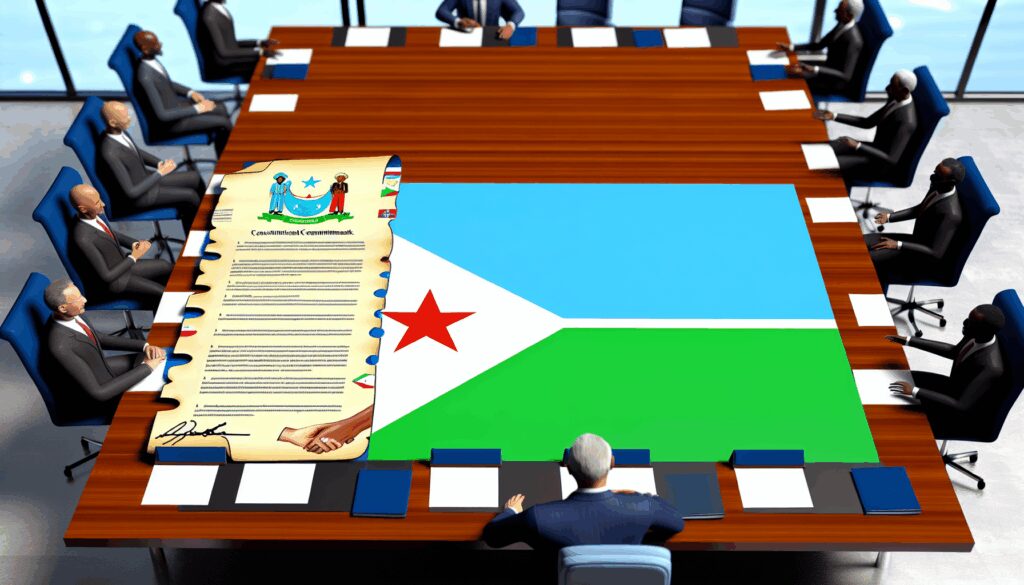
This article explores Djibouti’s treaty-making process within its constitutional framework, highlighting the roles of the President and National Assembly in negotiations and ratification. It examines Djibouti’s predominantly monist approach to international law, its non-membership in the Vienna Convention on the Law of Treaties, and implications for international cooperation.
Breaking Barriers: How the Convention on the Elimination of All Forms of Discrimination Against Women Advances Gender Equality

This article examines the Convention on the Elimination of All Forms of Discrimination Against Women (CEDAW), a pivotal UN treaty adopted in 1979 to eradicate gender discrimination. It explores CEDAW’s framework, key provisions, implementation challenges, and legal complexities under international law, highlighting its transformative potential for gender equality.
Denmark’s Treaty-Making Process: Constitutional Foundations and International Commitments

This article examines Denmark’s treaty-making process, rooted in its 1953 Constitution, which balances executive and legislative roles. It explores Denmark’s dualist approach to international law, requiring legislative incorporation of treaties, and its adherence to the Vienna Convention on the Law of Treaties (1969), offering insights for global treaty negotiations.
Combating Global Racism: The Impact of the International Convention on the Elimination of All Forms of Racial Discrimination
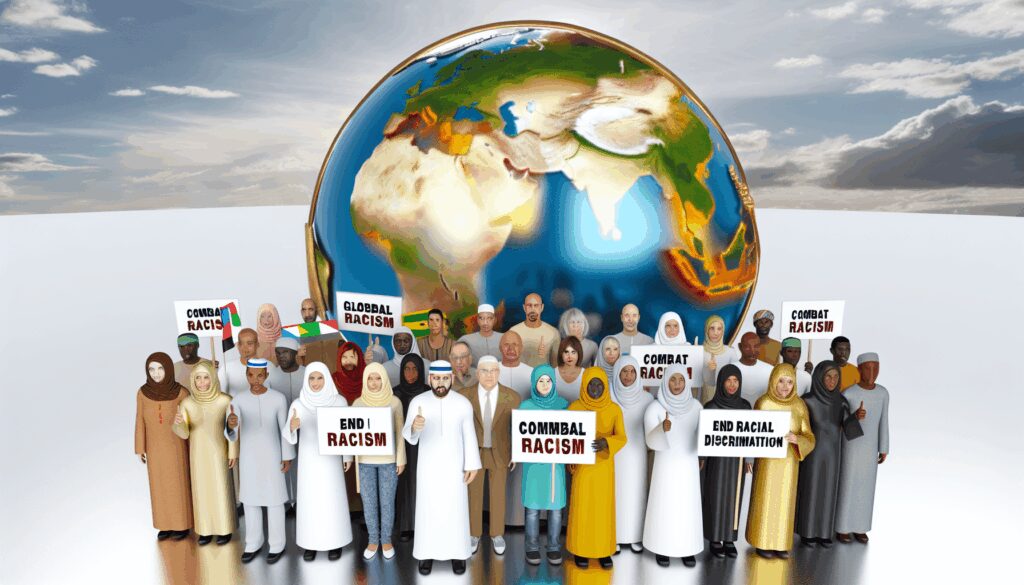
This article explores the International Convention on the Elimination of All Forms of Racial Discrimination (ICERD), adopted in 1965, as a key tool in combating global racism. It examines ICERD’s historical context, legal mechanisms, monist and dualist incorporation approaches, relationship with the Vienna Convention, and ongoing challenges in implementation.
Managing Shared Resources: Legal Challenges in the Implementation of the Convention on Non-navigational Uses of International Watercourses

This article examines the legal challenges in implementing the UN Watercourses Convention, adopted in 1997, which provides a framework for sustainable management of international watercourses. It highlights issues like limited ratification, conflicting national interests, ambiguous provisions, and varying treaty incorporation approaches, using a hypothetical Country X as an example.
Cuba’s Treaty-Making Process: Constitutional Framework and International Commitments
This article examines Cuba’s treaty-making process within its unique socialist and constitutional framework. It explores the legal mechanisms for entering treaties, Cuba’s dualist approach to international law, and its non-party status to the Vienna Convention on the Law of Treaties, highlighting implications for international relations.
Curaçao’s Treaty-Making Framework: Constitutional Basis and Influence of Existing International Agreements

This article explores Curaçao’s treaty-making framework within the Kingdom of the Netherlands, highlighting its constitutional basis, hybrid monist-dualist approach to international law, and adherence to the Vienna Convention on the Law of Treaties through the Kingdom. It offers insights for states engaging with Curaçao in international agreements.

