
Advancing Global Human Rights: The Impact of the Second Optional Protocol on Abolishing the Death Penalty

The Second Optional Protocol to the ICCPR, adopted in 1989, is a pivotal treaty aimed at abolishing the death penalty globally, reinforcing human dignity and the right to life. With 92 state parties by 2024, it influences legal reforms and international advocacy, despite challenges in universal adoption.
Protecting Global Biodiversity: The Role of CITES in Combating Illegal Wildlife Trade

This article examines the critical role of CITES in combating illegal wildlife trade, a major threat to global biodiversity. Established in 1973, CITES regulates trade in over 40,900 species through permits and international cooperation. It explores legal frameworks, treaty accession, and challenges in enforcement and implementation.
Global Impact of the Ottawa Convention: Progress and Challenges in Eradicating Anti-Personnel Mines
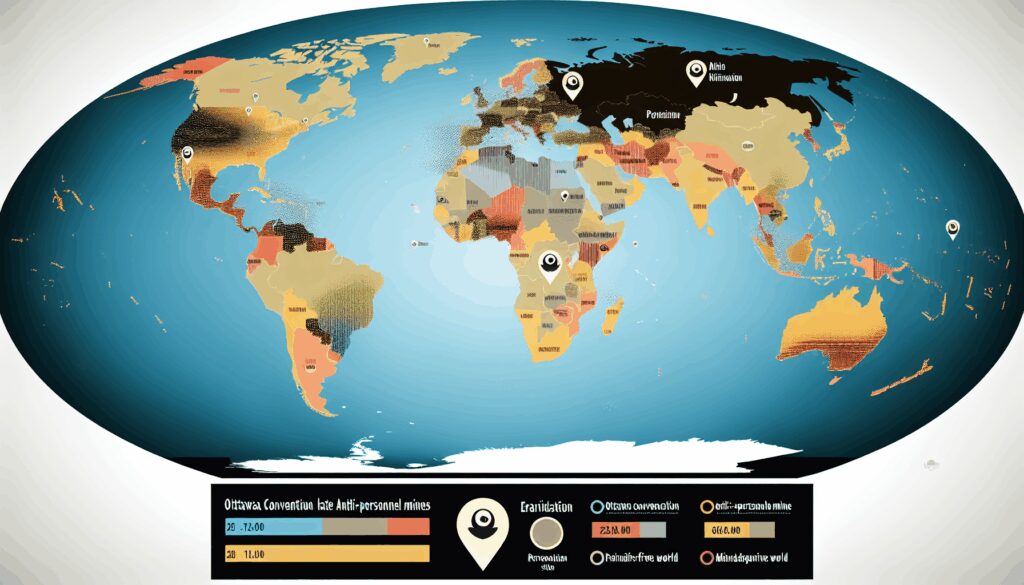
The Ottawa Convention, a pivotal treaty in humanitarian law, aims to eliminate anti-personnel landmines, achieving significant progress with over 55 million mines destroyed and vast lands cleared. Despite 166 state parties, challenges persist with non-signatories, geopolitical tensions, and funding shortages hindering a mine-free world.
Chemical Weapons Ban: Challenges in Enforcing Global Compliance

The Chemical Weapons Convention (CWC), enforced since 1997, aims to eliminate chemical weapons globally, with 193 states committed under the OPCW. Despite near-universal ratification, enforcement faces legal, political, technical, and geopolitical challenges, requiring robust national legislation, international cooperation, and innovative solutions to ensure compliance.
Empowering Equality: Addressing Workplace Discrimination under the Convention on the Elimination of All Forms of Discrimination against Women

This article examines workplace discrimination under the Convention on the Elimination of All Forms of Discrimination against Women (CEDAW), highlighting its legal framework, challenges in implementation, and enforcement gaps. Using the fictional country Egalitaria, it explores treaty engagement, dualist legal systems, and cultural barriers to gender equality in employment.
Breaking Barriers: Ensuring Equal Access to Education under the Convention on the Rights of Persons with Disabilities
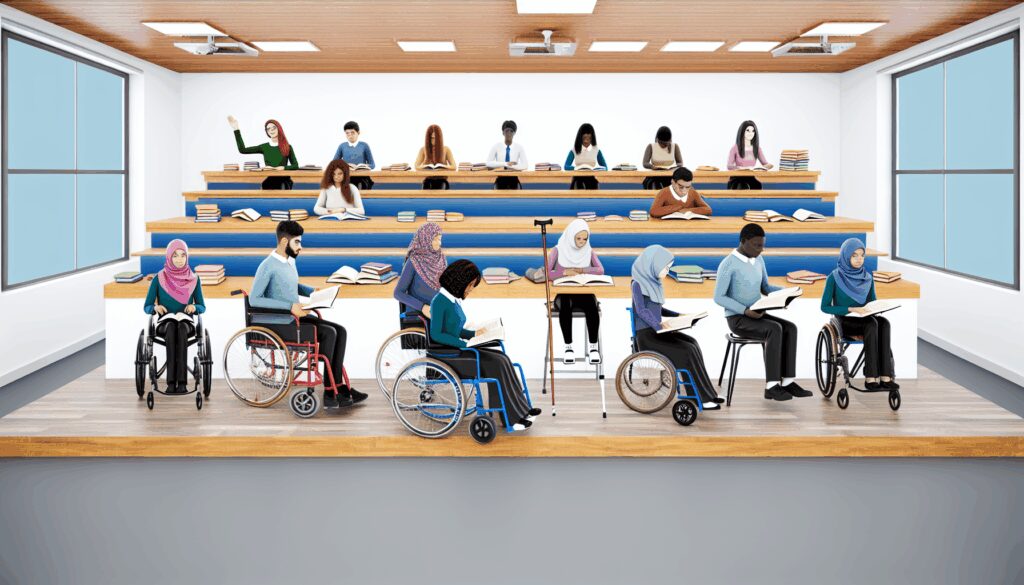
This article explores the legal frameworks of the Convention on the Rights of Persons with Disabilities (CRPD), focusing on Article 24, which ensures equal access to education for persons with disabilities. It examines CRPD’s integration into national laws via monist or dualist approaches and its relationship with the Vienna Convention on the Law of Treaties.
Breaking Barriers: Addressing Workplace Discrimination under the Convention on the Elimination of All Forms of Discrimination against Women

This article examines how the Convention on the Elimination of All Forms of Discrimination against Women (CEDAW) addresses workplace discrimination through legal frameworks like Articles 1, 2, and 11. It explores treaty implementation in monist and dualist systems, challenges in aligning national laws, and the role of the Vienna Convention on the Law of Treaties.
Addressing Global Inequalities: The Impact of the International Convention on the Elimination of All Forms of Racial Discrimination

This article explores the International Convention on the Elimination of All Forms of Racial Discrimination (ICERD), a key UN treaty aimed at eradicating racial discrimination and reducing global inequalities. It examines ICERD’s legal mechanisms, implementation challenges, and influence on international norms, while analyzing treaty-making processes in a hypothetical “Country X.”
Breaking Barriers: How the Convention on the Elimination of All Forms of Discrimination Against Women Addresses Workplace Inequality

This article explores workplace inequality through the lens of the Convention on the Elimination of All Forms of Discrimination Against Women (CEDAW), a key UN treaty. It highlights CEDAW’s provisions, like Article 11, ensuring equal employment rights, while addressing implementation challenges and legal frameworks for treaty adoption globally.
Ensuring Accessibility: The Impact of the Convention on the Rights of Persons with Disabilities on Global Inclusion Policies

The Convention on the Rights of Persons with Disabilities (CRPD), adopted in 2006, has significantly shaped global inclusion policies by promoting a human rights-based approach to disability. It influences accessibility, education, and employment laws worldwide, while its implementation varies due to legal systems and resources, guided by the Vienna Convention on the Law of Treaties (VCLT).

