
Protecting Global Wanderers: The Role of the Convention on the Conservation of Migratory Species in Safeguarding Wildlife Habitats

The Convention on the Conservation of Migratory Species (CMS), adopted in 1979, is a vital global treaty dedicated to protecting migratory species and their habitats. It promotes international cooperation among 133 member states to address threats like habitat loss and climate change, ensuring the survival of species across borders through legal frameworks and collaborative initiatives.
Safeguarding Dignity: Addressing Labor Exploitation Under the International Convention on Migrant Workers’ Rights
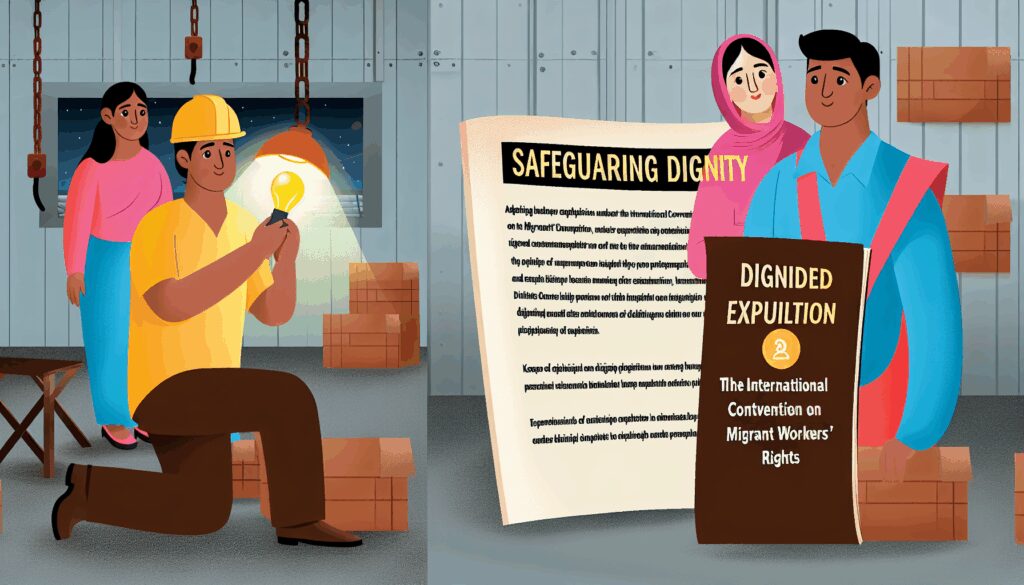
This article examines labor exploitation among migrant workers and the role of the International Convention on the Protection of the Rights of All Migrant Workers and Members of Their Families (ICRMW). It explores key provisions, implementation challenges, national legal systems, and the ICRMW’s relationship with the Vienna Convention on the Law of Treaties.
Protecting the Future: Ensuring Child Safety Under the UN Convention on the Rights of the Child

This article examines child safety under the United Nations Convention on the Rights of the Child (UNCRC), a widely ratified treaty ensuring children’s rights globally. It discusses legal obligations, treaty mechanisms, monist and dualist approaches to implementation, and the UNCRC’s alignment with the Vienna Convention on the Law of Treaties.
Empowering Inclusion: Unpacking the Impact of the Convention on the Rights of Persons with Disabilities on Global Accessibility Standards

The Convention on the Rights of Persons with Disabilities (CRPD), adopted in 2006, is a landmark treaty promoting the rights and dignity of persons with disabilities. It has significantly influenced global accessibility standards, shifting perspectives towards inclusion as a human right, and inspiring policies like the European Accessibility Act and Web Content Accessibility Guidelines.
Navigating New Waters: Understanding the 2004 Protocol’s Impact on Maritime Liability Limits

The Convention on Limitation of Liability for Maritime Claims, 1976 (LLMC 1976), is a key treaty in the maritime industry, allowing shipowners to limit liability under specific conditions. The 1996 Protocol, effective for some states in 2004, significantly raised liability limits to reflect modern economic realities, balancing claimant protection and industry needs.
Ensuring Global Safety: The Importance of the Convention on Early Notification of a Nuclear Accident

This article highlights the critical role of the Convention on Early Notification of a Nuclear Accident in global safety, emphasizing timely communication during nuclear disasters like Chernobyl. It examines treaty implementation in a hypothetical state, Country X, addressing legal frameworks, monist-dualist approaches, and challenges in ensuring effective international cooperation.
Protecting Peacekeepers: Challenges in Enforcing the Convention on the Safety of United Nations and Associated Personnel
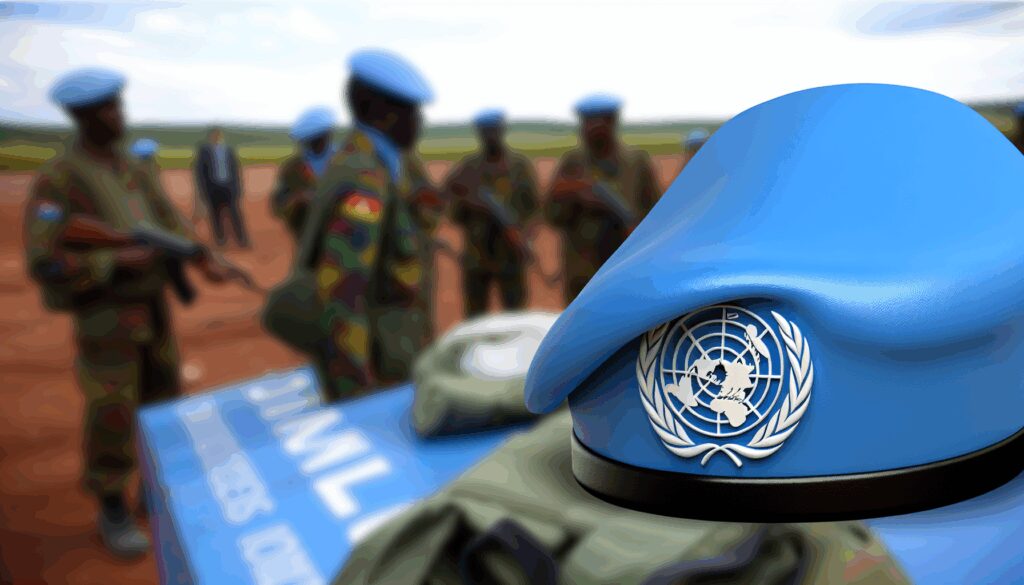
The Convention on the Safety of United Nations and Associated Personnel, adopted in 1994, aims to protect UN peacekeepers from violence and ensure accountability for crimes against them. This article explores enforcement challenges, including jurisdictional issues and national implementation, while examining treaty-making frameworks and the Vienna Convention on the Law of Treaties.
Safeguarding Dignity: Addressing Labor Exploitation in the International Convention on Migrant Workers’ Rights
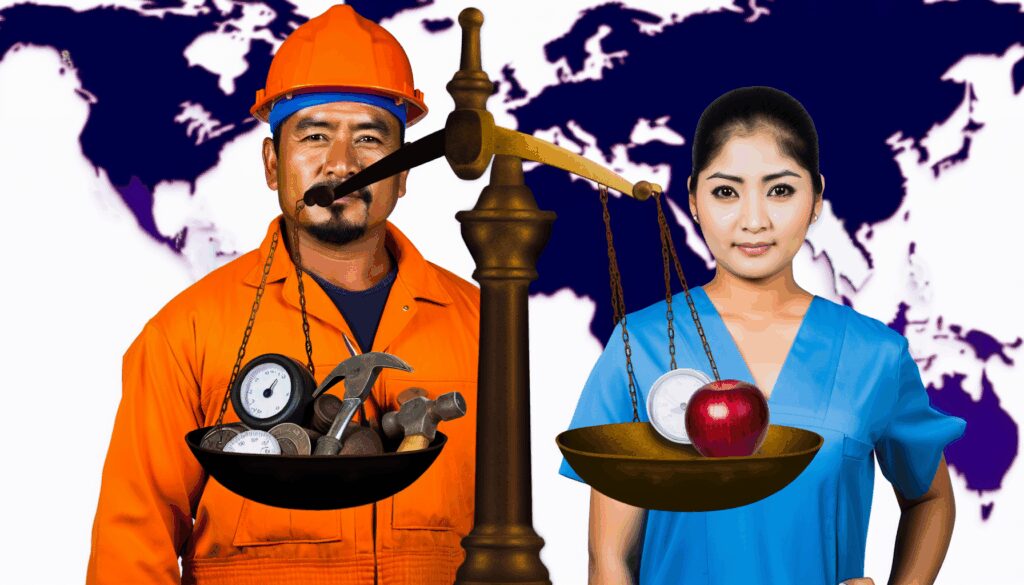
This article explores the International Convention on the Protection of the Rights of All Migrant Workers and Members of Their Families (ICRMW), focusing on its role in combating labor exploitation. It analyzes key provisions, legal mechanisms for treaty incorporation, and the influence of the Vienna Convention on the Law of Treaties.
The Paris Agreement: Challenges in Achieving Global Climate Goals

The Paris Agreement, adopted in 2015, is a landmark treaty under the UNFCCC aimed at limiting global temperature rise to below 2°C, ideally 1.5°C. Signed by 196 parties, it faces challenges in implementation due to political, economic, and legal barriers, hindering global climate goals.
Breaking Barriers: How the Convention on the Elimination of All Forms of Discrimination against Women Advances Gender Equality

This article explores the Convention on the Elimination of All Forms of Discrimination against Women (CEDAW), a key UN treaty promoting gender equality since 1979. It examines CEDAW’s legal framework, provisions, and impact on national policies, while addressing challenges in implementation across diverse legal systems.

