

Navigating New Waters: Understanding the 2004 Protocol’s Impact on Maritime Liability Limits

The Convention on Limitation of Liability for Maritime Claims, 1976 (LLMC 1976), is a key treaty in the maritime industry, allowing shipowners to limit liability under specific conditions. The 1996 Protocol, effective for some states in 2004, significantly raised liability limits to reflect modern economic realities, balancing claimant protection and industry needs.
Aruba’s Treaty-Making Framework: Constitutional Foundations and International Commitments

This article explores Aruba’s treaty-making framework within the Kingdom of the Netherlands, highlighting its limited autonomy in international agreements due to shared sovereignty. It examines Aruba’s constitutional foundations, hybrid monist-dualist approach to treaties, and adherence to the Vienna Convention on the Law of Treaties through the Kingdom.
Ensuring Global Safety: The Importance of the Convention on Early Notification of a Nuclear Accident

This article highlights the critical role of the Convention on Early Notification of a Nuclear Accident in global safety, emphasizing timely communication during nuclear disasters like Chernobyl. It examines treaty implementation in a hypothetical state, Country X, addressing legal frameworks, monist-dualist approaches, and challenges in ensuring effective international cooperation.
Australia’s Treaty-Making Process: Balancing Constitutional Powers and International Commitments

This article examines Australia’s treaty-making process, highlighting its constitutional framework, dualist approach to international law, and adherence to the Vienna Convention on the Law of Treaties (1969). It explores the balance between executive and parliamentary powers, federal-state dynamics, and the implications for international cooperation and obligations.
Protecting Peacekeepers: Challenges in Enforcing the Convention on the Safety of United Nations and Associated Personnel
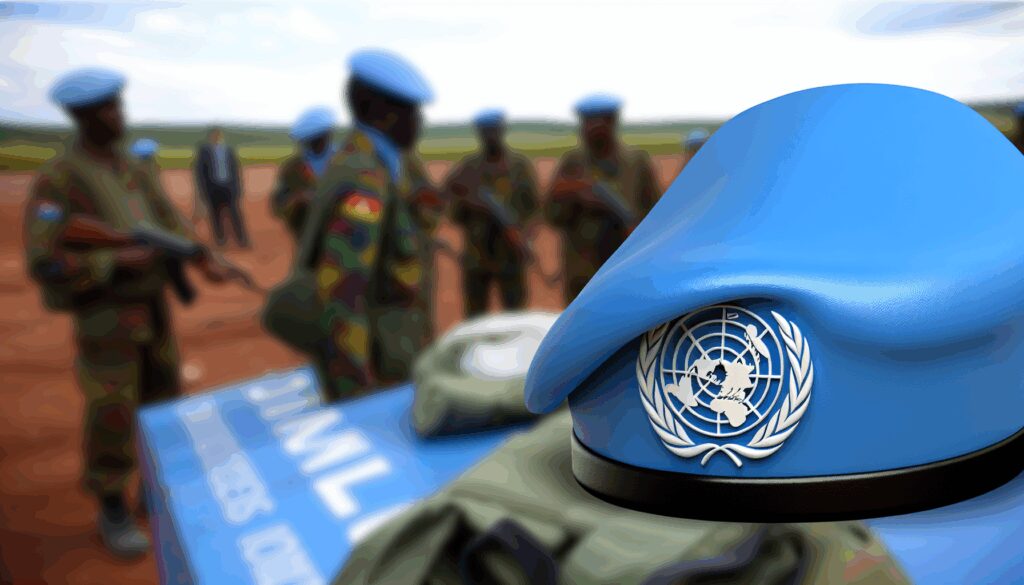
The Convention on the Safety of United Nations and Associated Personnel, adopted in 1994, aims to protect UN peacekeepers from violence and ensure accountability for crimes against them. This article explores enforcement challenges, including jurisdictional issues and national implementation, while examining treaty-making frameworks and the Vienna Convention on the Law of Treaties.
Austria’s Treaty-Making Process: Constitutional Framework and International Obligations

This article examines Austria’s treaty-making process within its constitutional framework, detailing the roles of the Federal President, government, and legislative bodies. It explores Austria’s hybrid monist-dualist approach to international law, adherence to the Vienna Convention on the Law of Treaties, and implications for international partners.
Safeguarding Dignity: Addressing Labor Exploitation in the International Convention on Migrant Workers’ Rights

This article explores the International Convention on the Protection of the Rights of All Migrant Workers and Members of Their Families (ICRMW), focusing on its role in combating labor exploitation. It analyzes key provisions, legal mechanisms for treaty incorporation, and the influence of the Vienna Convention on the Law of Treaties.
Argentina’s Treaty-Making Process: Constitutional Framework and International Commitments
This article examines Argentina’s treaty-making process within its constitutional framework, highlighting the balance between national sovereignty and international cooperation. It discusses the roles of the executive and legislative branches, Argentina’s monist approach to integrating treaties into domestic law, and its adherence to the Vienna Convention on the Law of Treaties.
The Paris Agreement: Challenges in Achieving Global Climate Goals

The Paris Agreement, adopted in 2015, is a landmark treaty under the UNFCCC aimed at limiting global temperature rise to below 2°C, ideally 1.5°C. Signed by 196 parties, it faces challenges in implementation due to political, economic, and legal barriers, hindering global climate goals.
Armenia’s Treaty-Making Process: Constitutional Framework and International Commitments
This article explores Armenia’s treaty-making process within its constitutional framework and international obligations. It analyzes legal mechanisms for entering treaties, Armenia’s monist approach to integrating international law, and its adherence to the Vienna Convention on the Law of Treaties (1969), highlighting implications for international diplomacy.

