

Combating Terrorist Funding: Unpacking the International Convention for the Suppression of the Financing of Terrorism

This article explores the International Convention for the Suppression of the Financing of Terrorism (ICSFT), adopted in 1999, as a key tool against global terrorism. It examines the ICSFT’s provisions, state obligations, treaty entry processes, monist and dualist legal approaches, and its alignment with the Vienna Convention on the Law of Treaties.
Preserving Our Planet’s Wealth: The Impact of the Convention on Biological Diversity on Global Conservation Efforts

The Convention on Biological Diversity (CBD), established in 1992 at the Earth Summit, is a pivotal international treaty uniting 196 parties to conserve biodiversity, promote sustainable use, and ensure equitable benefit-sharing. This article examines the CBD’s legal framework, global conservation impact, and challenges in implementation.
Treaty Dynamics: How the Convention on Foreign Arbitral Awards Shapes International Business Dispute Resolution in [Country Name]
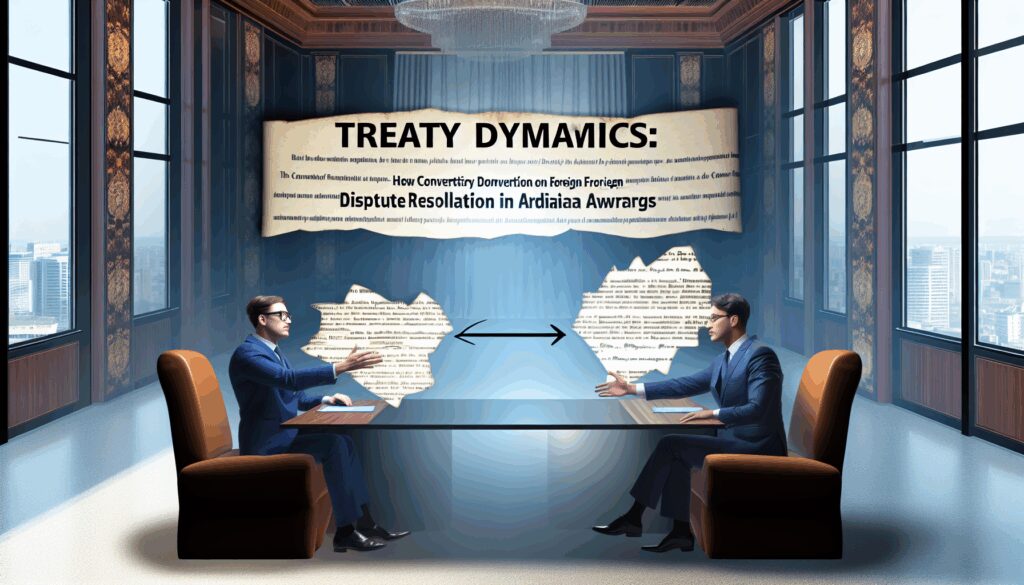
This article explores the impact of the New York Convention of 1958 on international business dispute resolution in [Country Name]. It examines the treaty’s role in enforcing arbitral awards, [Country Name]’s legal framework for treaty incorporation, and the broader implications for global trade and legal cooperation.
Navigating Global Disputes: The Impact of the Convention on the Recognition and Enforcement of Foreign Arbitral Awards on International Business Resolution

This article explores the transformative role of the New York Convention of 1958 in international business dispute resolution, highlighting its framework for enforcing arbitral awards across 169 states. It examines treaty-making mechanisms, monist and dualist approaches, and the Convention’s interplay with the Vienna Convention on the Law of Treaties.
Addressing Global Mercury Pollution: The Impact of the Minamata Convention

The Minamata Convention on Mercury, adopted in 2013, is a crucial international treaty aimed at reducing mercury pollution, a severe environmental and health threat. It addresses mercury’s lifecycle, from production to disposal, promoting global cooperation and providing legal frameworks for countries to combat this transboundary issue effectively.
Protecting Global Wanderers: The Role of the Convention on the Conservation of Migratory Species in Safeguarding Wildlife Habitats

The Convention on the Conservation of Migratory Species (CMS), adopted in 1979, is a vital global treaty dedicated to protecting migratory species and their habitats. It promotes international cooperation among 133 member states to address threats like habitat loss and climate change, ensuring the survival of species across borders through legal frameworks and collaborative initiatives.
Safeguarding Dignity: Addressing Labor Exploitation Under the International Convention on Migrant Workers’ Rights
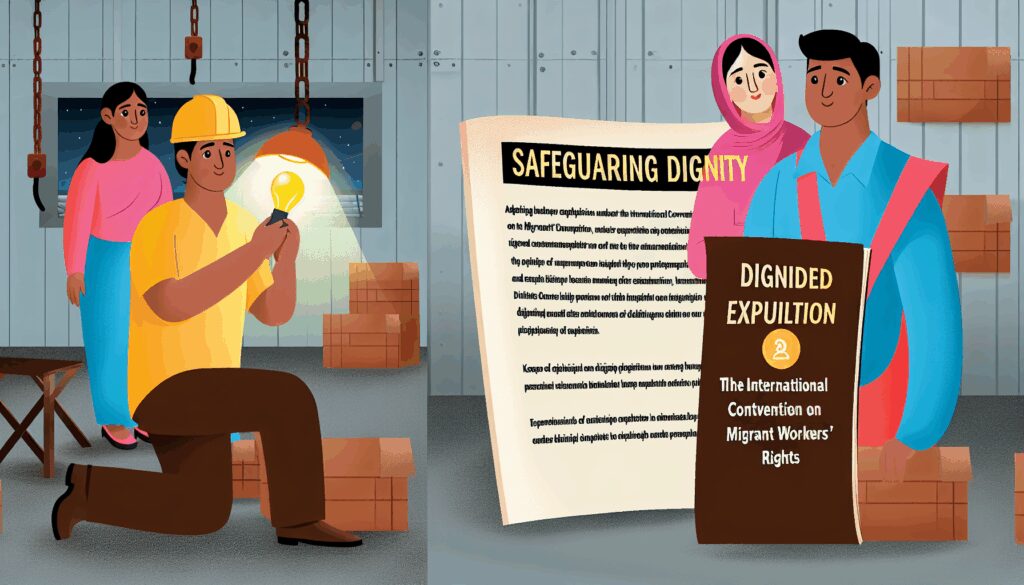
This article examines labor exploitation among migrant workers and the role of the International Convention on the Protection of the Rights of All Migrant Workers and Members of Their Families (ICRMW). It explores key provisions, implementation challenges, national legal systems, and the ICRMW’s relationship with the Vienna Convention on the Law of Treaties.
Protecting the Future: Ensuring Child Safety Under the UN Convention on the Rights of the Child

This article examines child safety under the United Nations Convention on the Rights of the Child (UNCRC), a widely ratified treaty ensuring children’s rights globally. It discusses legal obligations, treaty mechanisms, monist and dualist approaches to implementation, and the UNCRC’s alignment with the Vienna Convention on the Law of Treaties.
Empowering Inclusion: Unpacking the Impact of the Convention on the Rights of Persons with Disabilities on Global Accessibility Standards

The Convention on the Rights of Persons with Disabilities (CRPD), adopted in 2006, is a landmark treaty promoting the rights and dignity of persons with disabilities. It has significantly influenced global accessibility standards, shifting perspectives towards inclusion as a human right, and inspiring policies like the European Accessibility Act and Web Content Accessibility Guidelines.
Azerbaijan’s Treaty-Making Process: Balancing Constitutional Framework and International Obligations
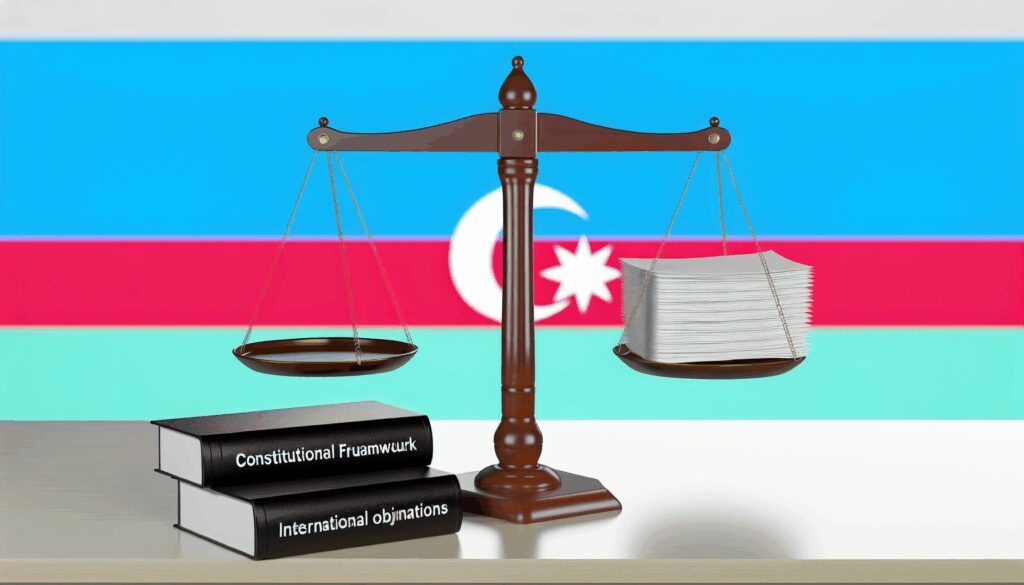
This article examines Azerbaijan’s treaty-making process, highlighting its constitutional framework and balance between domestic and international law. It explores the roles of the President, Milli Majlis, and Constitutional Court, Azerbaijan’s predominantly monist approach with dualist elements, and its adherence to the Vienna Convention on the Law of Treaties.

