

Empowering Inclusion: How the Convention on the Rights of Persons with Disabilities Advances Accessibility in Public Spaces
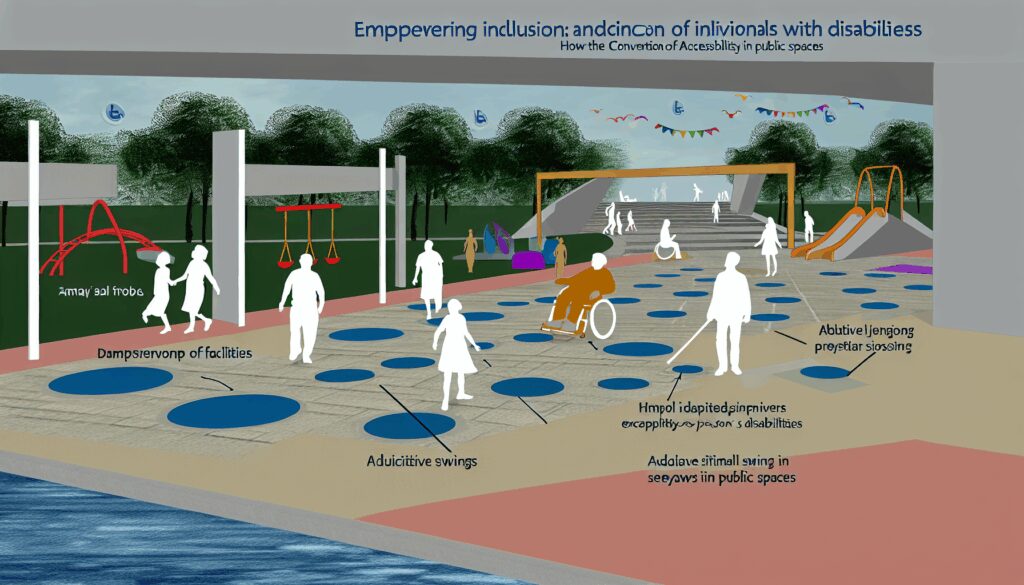
This article examines the transformative impact of the Convention on the Rights of Persons with Disabilities (CRPD), adopted in 2006, on improving accessibility in public spaces globally. It discusses CRPD provisions, implementation variations across nations, and legal frameworks for treaty adoption, using a hypothetical country, Exemplaria, as a case study.
Enhancing Global Rail Asset Financing: Exploring the Impact of the Rail Protocol on International Trade

The Rail Protocol, adopted in 2007 under the Cape Town Convention, establishes a legal framework for securing international interests in railway rolling stock. By reducing financial risks and harmonizing laws, it fosters cross-border rail asset financing, supporting global trade, economic growth, and sustainable transport systems.
Combating Oceanic Crime: How the Port State Measures Agreement Targets Illegal Fishing
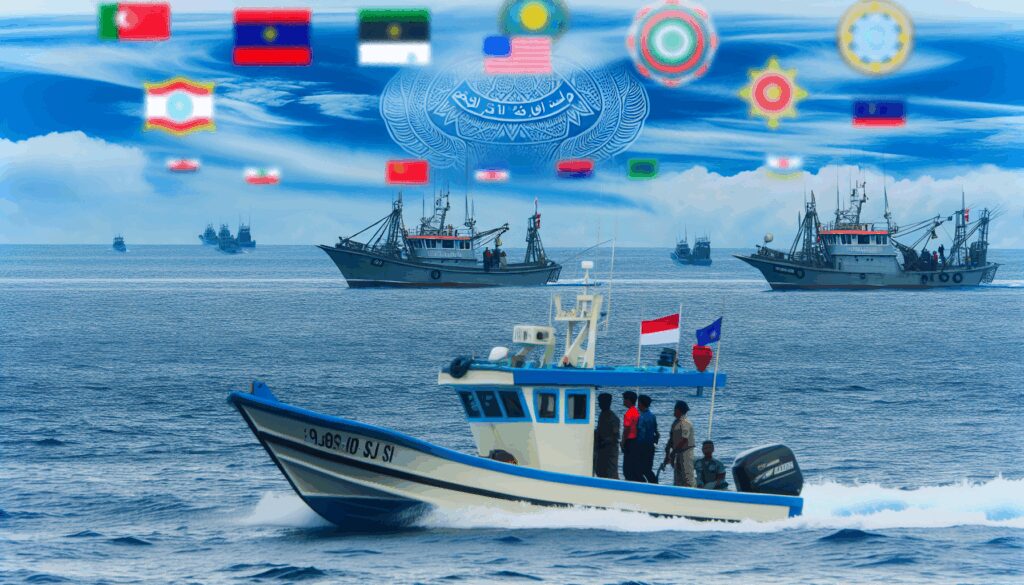
Illegal, unreported, and unregulated (IUU) fishing poses a severe threat to marine ecosystems and global livelihoods, with 11-26 million tons caught illegally yearly. The Port State Measures Agreement (PSMA), a 2009 treaty, combats this by empowering port states to block illegally caught fish, disrupting IUU fishing economically.
Countering Terrorist Funding: Challenges in Implementing the International Convention for the Suppression of the Financing of Terrorism

This article explores the International Convention for the Suppression of the Financing of Terrorism (ICSFT), adopted in 1999, highlighting its role in criminalizing terrorist financing and promoting global cooperation. It examines legal, institutional, and political challenges in implementation, alongside treaty incorporation approaches and the ICSFT’s relation to the Vienna Convention on the Law of Treaties.
Challenges in Enforcing Foreign Arbitral Awards: Navigating National Laws Under the New York Convention 1958

International arbitration, underpinned by the New York Convention 1958, is a key mechanism for resolving cross-border disputes, ensuring recognition and enforcement of arbitral awards across 172 states. Despite its success, challenges arise from inconsistent national laws, judicial interpretations, and procedural barriers, impacting uniform application.
Ensuring Child Protection: The Impact of the Convention on the Rights of the Child on Global Legislation

The United Nations Convention on the Rights of the Child (CRC), adopted in 1989, is a landmark treaty shaping global child protection laws. Ratified by 196 states, it establishes comprehensive rights for children, influencing legislation on education, juvenile justice, and abuse prevention, despite varying implementation challenges across legal systems.
Addressing Global Mercury Pollution: The Impact of the Minamata Convention on Public Health

Mercury pollution poses a severe threat to global health and ecosystems due to its toxic effects and persistence. The Minamata Convention on Mercury, adopted in 2013, addresses this crisis through comprehensive measures to reduce emissions and protect public health. Despite progress, implementation challenges and resource disparities hinder its full impact.
Combating Global Threats: The Role of the International Convention for the Suppression of Acts of Nuclear Terrorism
This article explores the International Convention for the Suppression of Acts of Nuclear Terrorism (ICSANT), adopted in 2005, as a key tool in combating nuclear terrorism. It examines ICSANT’s provisions, legal mechanisms for treaty accession, state obligations, and its relationship with the Vienna Convention on the Law of Treaties (VCLT).
Empowering Inclusion: The Impact of the Convention on the Rights of Persons with Disabilities on Global Accessibility Standards

This article examines the transformative impact of the Convention on the Rights of Persons with Disabilities (CRPD) on global accessibility standards. It explores legal mechanisms for treaty implementation, monist and dualist approaches, and the CRPD’s relationship with the Vienna Convention on the Law of Treaties, highlighting pathways for fostering inclusion.
Combating Global Threats: The Role of the International Convention for the Suppression of Acts of Nuclear Terrorism

This article examines the International Convention for the Suppression of Acts of Nuclear Terrorism (ICSANT), adopted in 2005, as a key tool in combating nuclear terrorism. It explores ICSANT’s provisions, legal frameworks for treaty adoption, monist versus dualist approaches, and its relationship with the Vienna Convention on the Law of Treaties.

